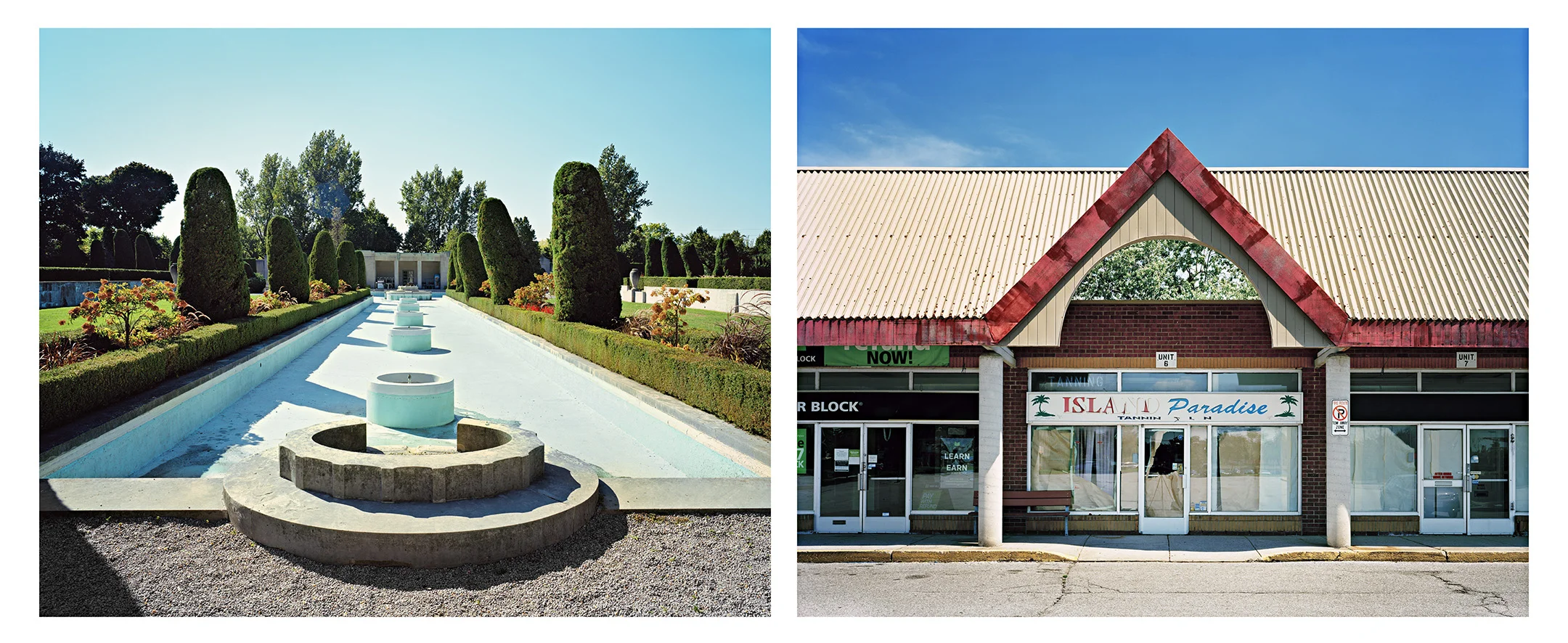
Guest column by Shannon Barill
Art in all its forms reflects the world we live in. It provides us with a narrative outside our own that expands who we are and what we’re capable of. It can also be a catalyst for change. I think Andrew F. Sullivan’s book, "Waste", and the new Robert McLaughlin Gallery exhibit, "Visitor Information", are the latest examples of art that will contribute to change for the better in our fair city.
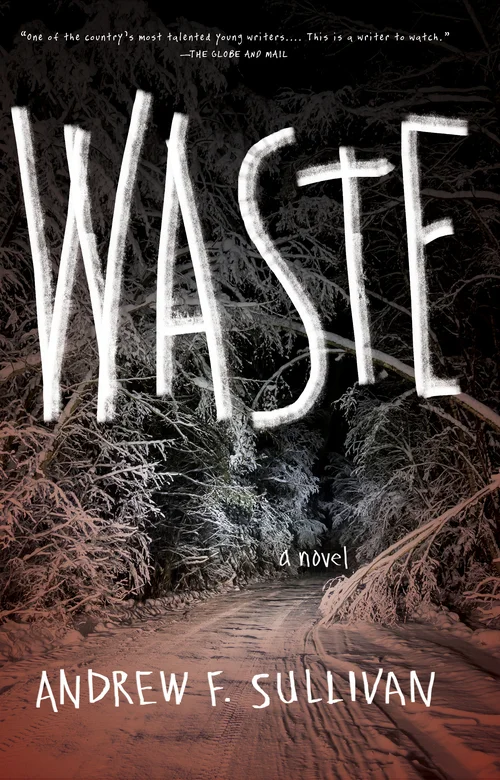
Andrew F. Sullivan lived in Oshawa until his preteen years. He grew up hearing stories from the adults in his life who lived through the strange and tumultuous 80s era of this city. He took inspiration for the story that Waste tells from these tall tales. He also found insight in other cities like the east end of London, ON, where he did his undergrad.
“I woke up on like a carpeted bathroom floor and I was like I’m… I’m in east London. I don’t know where, but I’m in east London,” he said in an interview. He thinks there are a lot of cities with similar elements to that, like Belleville and Kingston he says.
Sullivan researched his book by reading the police blotters from all the Oshawa newspapers for the entire 80’s. “. . . a lot of the crazy stuff that happened . . . I just condensed it in 3 months. Like a lot of the stuff did happen It just didn’t happen to those people in that short amount of time,” he says.
Although reception to the book has been mixed, especially by those who lived in Oshawa during that time, this story, in my opinion, details why Oshawa culture developed as it did. It relates the heartbreak, the abandonment of its people by those in power and how generations of classism can seep deep into the heart of a society and corrupt it.
Sullivan’s rendering of this period of Oshawa history is akin to a surreal “David Lynch nightmare version” but all good literature requires poetic license. His ability to draw the reader in with his grotesque tableaus is subtle and a great example of literary psychology. The imagery however, is not subtle at all. It’s in your face so much you can smell the piss and shit that his characters wade through.
At a time when Oshawa is experiencing upheaval, a story such as Waste can provide us an understanding of how our city got where we are and how we can change for the better.
Another telling of the story of Oshawa is being told at the Robert McLaughlin Gallery. To celebrate its 50th year anniversary five artists were commissioned by the RMG to produce a project that “grapples with the shifting nature of Oshawa’s social, economic and technological fabric.” according to the exhibit's literature. The exhibit runs from April 29th to September 19th. You will see and hear the story of Oshawa, told through the experiences of its people, and interpreted by the artists.
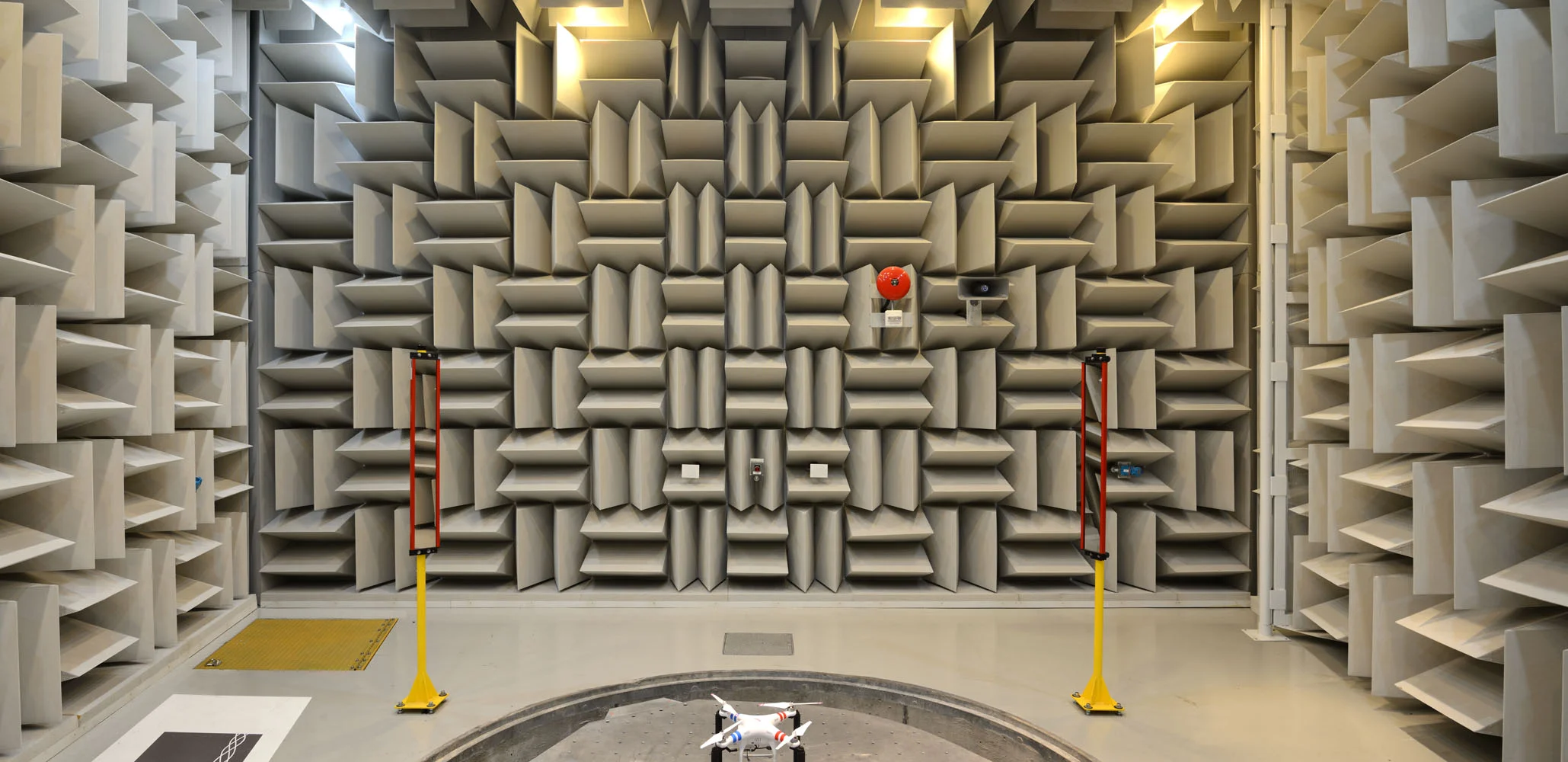
Martie Giefert, UOIT Sound Room, 2016
Lise Beaudry, Michèle Pearson Clarke, Martie Giefert, Morris Lum, and Jeff Thomas are all Ontario-based artists. Each artist has created an exhibit that tell an Oshawa story through their eyes, using photography or film. The stories share much of our history, some known and some not. They explore the impact of GM, technology, and institutions like Durham College, UOIT and Lakeridge Health. A peak into our city’s history through the eyes of outsiders will help us see just how far we’ve come as a community and where we can go from here.
Oshawa has been painted with a black brush for good reason. The city’s pain has been prolonged needlessly. The fault for this lies not with its people however but with leaders and decisions makers. They are the ones who charted our journey. Many opportunities exist for healthy growth and progress which any resourceful leader could take advantage of. But apathy is apparent at the top still. Regardless, we have several beacons of hope throughout the city. Many members in our community have decided to take it upon themselves to lead their neighbours and even the community at large in positive change.
Sullivan's novel, set as it is in the 80s, shows us just how far we have come along this path of positivity. RMG’s exhibit will also place the city's shadowy past in a better light. Change will come by way of the arts and artists can inspire us to be the change Oshawa needs.
Shannon Barill is a self-described learner, researcher, educator, library Fangirl and lover of music, art, books, science, tech and humans.