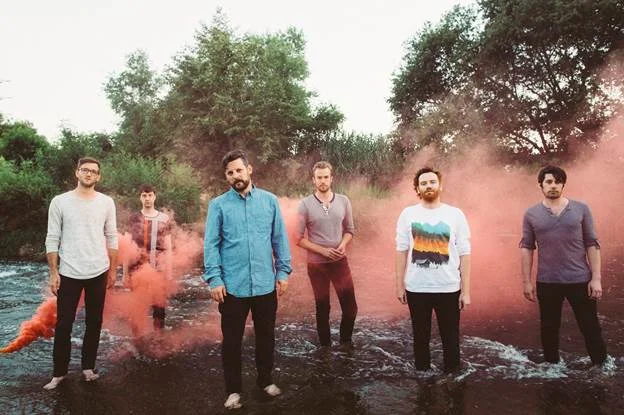
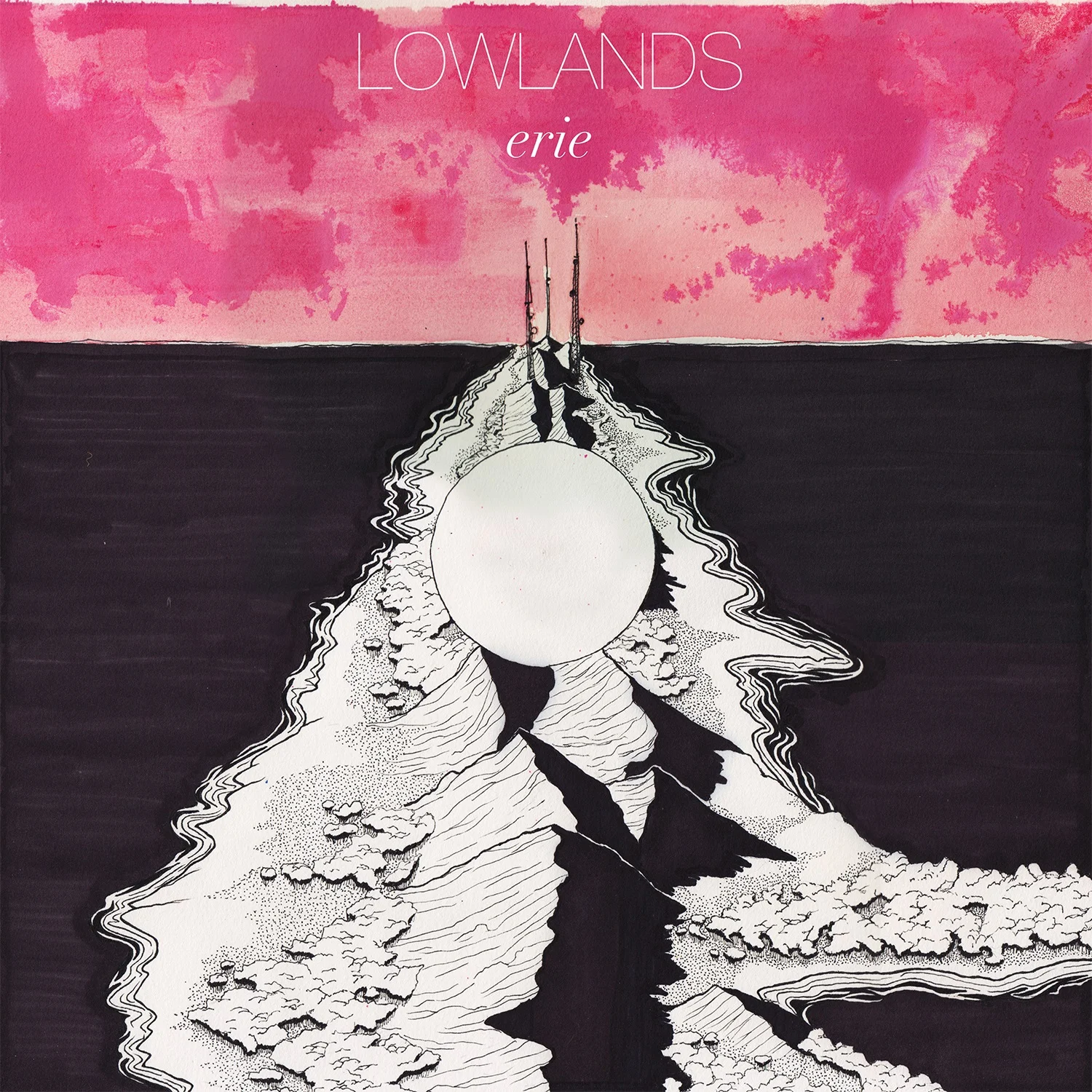
Lowlands meld deep roots and bluegrass on the ten track Erie album. It is stark but still rich sounding, and has an enveloping warmth, reflective perhaps of the southernmost of the Lakes. Huron has a more spacious feel. The songs wrap in on themselves, run high and low, voices cry out loud and soft, as if sounding from shore to shore.
“I think nature and a lake can have a voice. Your surroundings shape your perception of a situation. The same way a rainy day can make you sad or a walk in the woods can relax you. That context can be a powerful thing. I can personally connect some experiences to the Huron record while being on the lake or growing up there. That lake was my therapy and my teacher,” says Auld.
Learning about lakes and the value of freshwater has been high on Auld’s agenda given the controversy around American based company Nestlé’s efforts to purchase of Guelph’s well water supply.
“I've been keeping somewhat informed about resistance of Nestle taking groundwater from Guelph. They pay next to nothing for it and turn huge profits,” he says.“We are at a point in time right now where this needs to be address not only this situation but water as a resource in general. It's so hard in Canada to look at fresh water as a resource that needs conservation because we are surrounded by it in vast quantities but I think it's time to wake up and see that this freshwater is a finite resource, something precious. Think about all the people who don't even have access to fresh water. It's scary. I think Nestle has cashed in on the fact that they can basically bottle tap water and sell it for huge profits. Likely they won’t let they go without a fight or until it is no longer profitable to them. Personally, I say go back to making gross candy bars.”
There’s a lot that is gross about the Great Lakes given the industrialization along much of the shores but Lowlands treat the waters with respect and the resulting two albums so far are worth dipping into.