• SLOW -
  • SLOW -
  • SLOW -
  • NEWS -
  • SLOW -
  • SLOW -
  • SLOW -
  • Photos by Mikki Simeunovich -
Menu

SLOWCITY.CA

  • SLOW -
  • SLOW -
  • SLOW -
  • NEWS -
  • SLOW -
  • SLOW -
  • SLOW -
  • Photos by Mikki Simeunovich -
×

Bros. Landreth chat with SlowCity, play the Moustache Club Dec. 9

Will McGuirk December 9, 2015

Call it Americana with a Canadian Twist; you can hear it in Deep Dark Woods, Jason Collett, Bahamas, Donovan Woods and The Bros. Landreth. Its a mix of southern and northern, its Jack Daniels with warm maple cream poured in. 

Dave Landreth, bassist and vocalist for the Winnipeg Bros. says their smooth roots sound is all their parents’ record collection melted into one.

“Bonnie Raitt, Ry Cooder, Little Feet, John Hyatt, Lyle Lovett, those guys we covered for the project, (the band recently released a covers album including tracks by Kansas and Wings), those are huge influences on the band," says Bros. David,  "Thats what we grew up on, what we really love. And when we started writing songs thats what they started like. We didn’t set out to make them sound one way or the other but when we finally got something we were happy about lo and behold it sounded like those because we were drawing on a lot of that. In the States right now theres this great scene, this Americana music scene, roots Americana, thats how we think of ourselves”

Others are beginning to think of the Bros. Landreth a lot too since Joey and David Landreth stepped away from work as sidemen to form their own band. Their debut release Let It Lie won the 2015 Juno for the Group - Roots and Traditional album. Let It Lie was released independently but the strength of their bluesy Eagles- meet-The Band songwriting got them signed to Slate Creek Records and they have been touring the Americana and Canadiana highways harmonizing their way to greater public acclaim. 

Brother Dave disavows the public life, of riches and fame. It could be their years with other high profile acts that allowed them to see the pitfalls of being a rockstar or it could be growing up with a famous dad, Wally Landreth who has played with the likes of Amos Garrett. The Bros. recorded their dad's tune "I Am The Fool" for their album.

“If you are in the music industry to get famous you are pursuing an empty pursuit,” he says, “maybe its for something for some folks, I shouldn’t judge but the problem with fame is you will never be famous enough. There will always be somebody more famous andthe fame actually for me is an unwanted side effect. . .  but you are making music and if you can make good music and you get to do that every night then you can feel successful and that is totally achievable.”

The Brothers are achieving success on their own terms, one stage, one song at a time, all the while introducing some easy peaceful feelings to Americana and its aficionados.

Jordan Klassen drops Baby Moses, album follows in February

Will McGuirk December 8, 2015

Pay attention to BC singer/songwriter Jordan Klassen. His album, Javelin, due Feb 19 2016, is going to strike straight as an arrow right through your heart. There is something of Bon Iver in him and also Patrick Watson. His voice soars and plummets and his cast of sounds is eclectic, built on lengthy days in the studio and on instruments he played himself. He is currently touring with alt-country countess Lindi Ortega, (that would be some show). The album will be on Nevado Records.

Credit- Eric White

Credit- Eric White

Get It from Tei Shi

Will McGuirk December 8, 2015

NYC's Tei Shi comes to her soulful R&B it seems by way of Kate Bush. "Get It" is the latest single from her EP Verde available on Arts & Crafts. The video uses footage from NASA Cassini Mission around Saturn.

unnamed.jpg

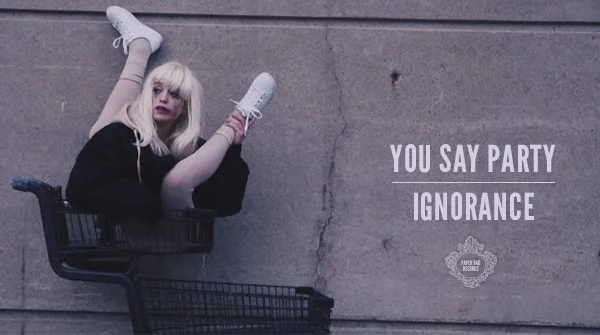
You Say Party; we say welcome back

Will McGuirk December 8, 2015

You Say Party delivered stunningly good tunes, Laura Palmer's Prom and Monster among them. Tragedy struck when drummer Devon Clifford died and the band went on hiatus. They reunitedand are working their way back to their fans. Their new video and track "Ignorance" should bring them closer, perhaps even closure. Its a moody, broody number channelling Images In Vogue and early 54:40.

Credit: Clyde Henry Productions

Credit: Clyde Henry Productions

Good Morning Mr Wolf what big lies you have!!!

Will McGuirk December 7, 2015

The enigmatic Patrick Watson continues his journey through his 'Love Songs for Robots' album, released May 2015 on Secret City Records. On the new single "Good Morning Mr Wolf", which received its debut airing on Much, the Montrealer and obvious Habs fan introduces a further exploration of love beyond the robotic. In this treatment Love is a wolf in creep's clothing. 

METZ spitz out new video

Will McGuirk December 7, 2015


METZ - video - that is all


Peaches and her girls hang out in video for Rub

Will McGuirk December 7, 2015

I had a chat with a music writer last week. I offered him my thought, its only rock ’n roll when its kicks you in the groin. I really said balls but after watching Peaches' new video for ‘Rub” from her album of the same name I’m going to have to be less gender-specific I think. Rub gets you in the groin. Getting the groin to respond was always a thing, it was the reason Elvis was shot on TV from the waist up. Slipping sex past the censors pushed artists to be particularly creative lyrically but in the visual realm its hard not to be direct. But as they say We’ve come a long way Baby and maybe we don’t need the visual double entendre. Peaches certainly doesn’t beat around the bush, metaphorically. Her video pushes the boundaries of what can be shot, framed and aired. She recently won the Polaris Heritage Prize for her album The Teaches of Peaches so there are those who access her work in terms of its artfulness. I’m still not fully all-in on her somewhat less than subtle lyrics but for what its worth her music and her art whack you hard in the nuts and the nut!! If nothing else we need more political songs at this time, so the speeches of Peaches matter, even if the message is beaten into you with a dildo at times.


PopRockers Zeus bring their Classic selves to the Moustache Dec 3

Will McGuirk December 3, 2015

Talking a lot 'bout pop music lately. As a band do you follow or lead? Do you make music for the chart or for the art? Who is the target audience? You, Me, Us or Them?

When asked if they make music for anyone in particular Toronto-based rock act Zeus say us.

“First and foremost when we are making records we are trying to please ourselves,” says Mike O’Brien, one of the band’s three singer/songwriters, “That’s the name of the game and because there are three songwriters, each brings his best to the table. The other guys are the judge and jury so in that way the cream rises to the top, from each guy’s material at the time. It’s really just a matter of us pleasing ourselves, something we are all excited about and hopefully that translates.”

The other guys he speaks of are Neil Quinn and Carlin Nicholson. Together they bring a certain class as well as a deep affection for Classic Rock to the rock ‘n roll of the Six, a bit of the old to the now. The latest album, their third, on Arts & Crafts is even titled Classic Zeus. They are unmitigated pop song enthusiasts, something they’ve been working at and enjoying together since they met.

“Carlin and I grew up together, went to highschool together,” says O’Brien, “so he and I and his brother used to spend our Friday nights in a cabin at his house, listening to the radio. We played a game called Red Radio where we surf up and down the dial and we would score an artist on how many plays they got and it was always Phil Collins and Elton John. They were the big two, they were the most played artists and then at the time it was it was U2 and then maybe Aerosmith behind them. I used to hate U2 but recently I have been thinking their songs are amazing. There is something about those early hits. They are fantastic arrangements and super moving pieces of music.”

Zeus are by no means a retro-act living off others’ early glories, they are modern lovers but they have an appreciation for a riff regardless of how uncool it may have been. The aforementioned Phil Collins is a case in point. When the ‘80s megastar announced recently he was touring again, an online petition was launched to encourage him to rethink his plan. But no signing that for Zeus, pretty sure you will see Zeus first in line for those Phil Collins tickets. For it was Zeus who released an album of covers including The Phil’s former band Genesis’ track “That’s All”, (it was also on their debut EP Sounds Like Zeus). They also cover R. Kelly, Michael Jackson, Stone Temple Pilots; you figure it out, they will just say they’re great songs, period.

Writing great songs is the goal and purpose for Zeus. On Classic Zeus the three, plus drummer Rob Drake, have channeled a lot of the emotions of being in a band, the highs and lows of their relationships into the tracks, hanging them on hooks Wings-era Paul McCarthy would hanker after. And it’s not just the cute Beatle whose influence shows up on the album. If Zeus are Beatlesque it’s in the parts not the sum of. On “You Could Have A Lover” they sway from George’s gentle guitar weeping to John’s endearing sneer back to McCarthy’s harmonizing peacekeeping.

The Classic moniker applies to some CanCon too as well as acts from across the pond. The Band and Neil Young show up on “Throw It On The Fire” but it is mostly the Anglo-hitmakers that get the shout-out. The Bee Gees get a nod, a flourish of keys, on “27 Is The New 17” and Elvis Costello hovers just below “Straight Through The Light”.

With such an amalgamation of songs Zeus could lay claim to a new Toronto Sound, not the Ronnie Hawkins/Robbie Robertson guitar based blues sound but one versed in the Anglo-sensibility of Pulp, the Kinks, Pink Floyd, Squeeze as well as a myriad Brit one hit wonders who scaled the pop charts before disappearing leaving only their wounded licks and earworms. Toronto folks such as Ron Sexsmith, Bahamas, Jason Collett as well as Collett’s Broken Social Scene buddies share this melody-centric approach. Sexsmith could have penned “One Line Written In” as could have Collett who had chosen Zeus (then Paso Mino) as his backing band. Zeus may well be Toronto’s band, the new Hawks, a gathering of players ready to enjoy everything available in the most culturally diverse city in the world. They may not have a choice. They eat, play, love pop, it’s what they do. As Nicholson sings on "Everyone’s Got One", “Rock and Roll is everywhere/ Stick to what you know/ I believe in what I feel and what I want is real.”

O’Brien echoes the sentiment of the tune. “I think we are all very emotional guys, very sensitive and emotional dudes,” he says. "Classic Zeus" was a struggle for the band as they were exploring their relationship, the ups and downs, and the feelings brought forth he says.

“You spend a lot of time together and the songs end up being a melting pot of ideas and emotions and then you veer away to something that holds it together. But sometimes those relationships in the band inform what you are writing and what you are thinking,” he says, “You spend a lot of time together and your fortunes are tied to each other so it can be a very serious matter but the trick is to not make it serious and just make it fun.”

And they have. Zeus make pop fun for themselves and cool for kats again.

Zeus will be playing the Moustache Club in Oshawa Dec. 3. TUNS and Viva Mars will open.

Americana Review - Chris Stapleton

Will McGuirk November 25, 2015

By Jason Gartshore of Americana Review

We are just weeks removed from the 49th annual Country Music Association awards where the Association bestowed its New Artist, Album and Male Vocalist of the Year honors to Chris Stapleton.  This is significant for a couple of reasons, not the least of which is the fact that Stapleton is an Americana artist who happens to be on a major Nashville record label (Mercury Nashville).  It’s significant in that these honors were awarded based solely on the quality of the singer, the songwriter and the songs themselves, as country radio did what it typically does when an original singer arrives on the scene … meaning they summarily dismissed his record and his talent. 

Consider what has become of mainstream country music in recent memory, at least for the last few years. The airwaves have essentially been one big tailgate party, with the sounds of guys loving their trucks and coolers of beer only slightly less than their ladies.  The fact that the Country Music Association awarded an artist like Chris Stapleton with those high honors, in my view clearly signals a shift in the thinking and what will begin to carry the day going forward for mainstream country.  The people will always come back to what’s real, and folks, Chris Stapleton is as real as it gets.  I present to you Exhibit A, his performance at the Awards show with Justin Timberlake.

Florida Georgia Line, the ambassadors of Bro-Country, followed the performance.  Thedemeanour of the crowd at that point was telling. . .  really, the demeanour of Florida Georgia Line was telling as well.  A seismic shift had taken place in that 8 minute plus performance. What should have been known from the outset is now blatantly clear; bro-country is on its way out. 

Exhibit B sits in the album sales since the above performance. “Traveller”, the Album of Year, has sold over 197,000 copies and counting since this performance.  Considering that the previous weekly sales of “Traveller” was just under 2,300, its telling what the consumer is now looking for.  Speaking of the album “Traveller”, it is a beautifully composed piece of art that is worthy of the honor “Album of the Year.”  The album itself was borne following the death of Stapleton’s father. As Chris puts it, he wrote an album “he thought his dad would like.”   The album is an astounding mix of outlaw country, blues, Americana and bluegrass. The 14 track album contains two covers, the bluesy version of the George Jones classic “Tennessee Whiskey” and a Charlie Daniels Band cut, “Was It 26?”  The title track is a whimsical ballad about a free spirit, while “Daddy Doesn’t Pray” speaks to the pain experienced at the loss of his father.  It is a solo debut record to be incredibly proud of.

The world is just beginning to notice Chris Stapleton, the songwriter behind hits for Luke Bryan, Blake Shelton and many others.  The world got a small taste of the talent of Chris Stapleton the singer and performer two weeks ago. Now, the world has opened up for Chris Stapleton.  Well deserved, and long may it last.

Photo by Vanessa Heins

Photo by Vanessa Heins

Hawksley Workman plays Whitby, Dracula's small town, Nov. 28

Will McGuirk November 24, 2015

Interview by Laura Antonelli
It's rare for a musician to be able to craft a career out of challenging the norm and constantly pushing the boundaries, but Hawksley Workman has been successfully doing just that for over a decade. The charismatic Canadian singer, songwriter, and producer has always thrived in the danger zone and often ventures musically into uncharted territory. Workman has been cherished by a loyal fan base that usually applauds his sometimes peculiar artistic choices and allows him to freely be an unusual creative force. 

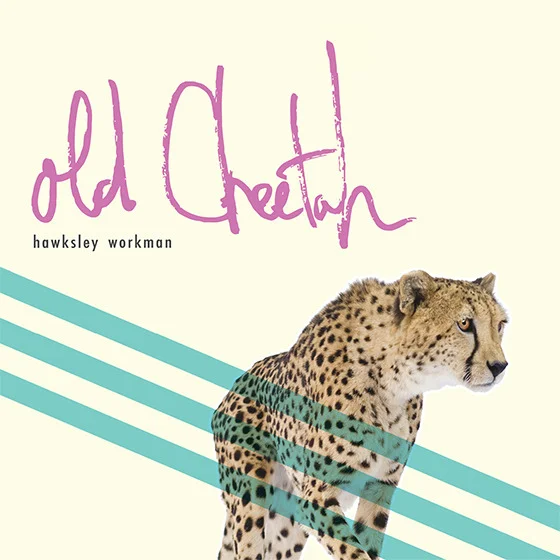
Workman's latest offering, Old Cheetah, demonstrates everything that is beloved about the musician. It embraces all the characteristics that encompass him. The album draws on experimental sounds from Workman's indie rock supergoup, Mounties, while incorporating theatrical aspects found in his earlier records and more recently in his one-man cabaret show, The God That Comes. He may have turned 40 this year, but he's just as innovative and dynamic as when he first made his mark on the music scene in the late '90s. 

In this conversation, Workman talks about the issues that inspired his new album, how he feels about the disheartening state of the music industry, and how a Neil Young concert still leaves him questioning.    

Laura Antonelli (SlowCity): Your Winter Bird Tour is coming to a close soon, so how has the road been treating you so far?

Hawksley Workman: It's been great. It has to do with that I've been treating myself better. Before the tour started, I had a little sit down discussion with myself. I wanted to really be present on the road and be grateful for what I was doing. I rewind and think back to the person I was 10 or 12 years ago. I was very much engaged with my career and the music business. You can become a bit disenchanted because the business is so ugly. It's so heartbreaking.

When you remove the business side, which is kind of a lie anyway, and just evaluate music based on the joy that it brings to you - the connection that you feel with the band and the connection you feel with the audience. Once you remove the business part, going out and playing music is pretty good. But it takes a little while just to realize that in the music business, you can be chasing your tail for a hundred years. So I think the Winter Bird Tour has just been nice and gentle on the heart.

We were collecting socks along the way as well. It felt like a nice way to feel connected to the cities we were in, so there was a lot to be thankful for out there.    

LA: What inspired the idea of collecting socks?

HW: Well, I'd love to say that it was my idea, but it wasn't mine. It was somebody else on my team who's brilliant. I'd say that we were trying to figure out what kind of a charitable element we could add to the tour. It was happening right around the election. I think with all the extreme negativity and all of the disgusting things that were being said in the last few weeks of the election that when this idea of socks was floated, it was like - You know what? It's gentle. It's tangible. It's real.

I don't think any of us are under the impression that we're saving the world. But we're doing something that has honesty to it. And it felt like it flew in the face of this bizarre bigoted racist craziness that we had to endure for a few weeks.

I know the decision was made at a time when we all we're getting a bit sick of what we were seeing on T.V. It's really worked. Audiences have been extraordinarily generous. We've had socks in the hundreds at shows. I'm sure overall there have been socks in the thousands. Like I said, it's a tangible thing. When we take these socks to the shelters the mornings after the shows, they are going to be put to use.  

LA: That's awesome. Your last show is surprisingly here in Whitby, Ontario [laughs.] Do you know how that came to be?

HW: [Laughs] No idea. I have no idea. But when I saw it on the tour list, I laughed like you. I was like, 'Whitby?' My parents met in Whitby. 

LA: Are you serious?

HW: I'm serious. So maybe there's something there. 

LA: How did that happen?

HW: My Mom grew up in Brooklyn and my Dad grew up in Ajax. I guess as teenagers, they met in Whitby. So maybe there's something there. Maybe there's something for me to learn or to discover in Whitby.

LA: Well, we can help you out with that. 

HW: Oh, wicked!   

LA: Let's talk about your latest record, Old Cheetah. You've said the name of it is referring to the music business being a beauty contest now and that you're looking to older artists for wisdom. Can you expand on that thought and do you think of yourself as an 'old cheetah' now?

HW: [Laughs] I'm an aging cheetah for sure. I used to be on T.V. I definitely played the role. We were talking at the beginning of the chat about the music business. It's a funny, strange, and phony business at times, but I played the game. I was on MuchMusic and I loved those years. I loved how all that stuff was challenging. 

But the title really started just because I liked the sound of it. I love the sound of Old Cheetah. I like that it feels like a non sequitur. But I definitely did give a lot of thought to my role in the business of entertainment and the music business, and what it is from music that I need or want. 

Music for me and for lots of people, it felt like it saved my life a lot of times, and especially when you're a teenager. You feel music intensely. I still want to invite new music into my life, but the music business doesn't see me as a viable customer. They don't support music for people like me. So I have to go looking and what I discover is that there are artists who are speaking beauty, love, and truth that are maybe not on T.V. Maybe they aren't pretty. Maybe they aren't young. Maybe they aren't all the requisite elements to become a pop star, but it doesn't make them any less important. They might be more important in some ways. 

I think about the way that we still celebrate Neil Young and Leonard Cohen. I'm personally still devoted to Bruce Cockburn, too. We lose something because of the youth obsession with modern pop culture. We do lose a more nuanced discussion in the face of another Taylor Swift and Nicki Minaj beef. It doesn't advance culture. It's just WWF wrestling played out in the music business.

Hip-Hop really figured that out. They know that Americans love a conflict. So if you can invite conflict like, 'Well, I'm beefing with this guy and this guy's beefing with that guy.' It's just good business. But is that what I want? If I'm going to spend an hour with a record do I want to listen to songs about beefs between Nicki Minaj and Taylor Swift? No. I'm more interested in hearing about Leonard Cohen's spiritual journey or Neil Young's outspoken environmental rants or Bruce Cockburn talking about political difficulties in Central America. Am I sounding insane or are you getting what I'm saying?

LA: [Laughs] I'm definitely getting what you're saying. You're saying that instead of focusing on pop culture, you want something real.          

HW: Yeah. I guess I could have just said that as well [laughs]. 

LA: [Laughs] No, your words are so much better. So not including The God That Comes, Old Cheetah is your first solo release since the 2010 albums, Meat and Milk. It seemed critics didn't quite understand those records and they received mixed reactions. Were you worried about how people would respond to Old Cheetah? Is that something you even think about at this point in your career?

HW: The ego part of you always wants to be liked. I want people to like the records and like the music. When I think back to Meat and Milk, critics seemed to really dig Meat, but thought Milk was a total disaster. It's funny because Milk to me is a real songwriter's record, but it was produced by a Swedish techno guy. People unfortunately focused on the window dressing of Milk and didn't realize that maybe there was some pretty interesting songwriting on it. 

So when I put out Old Cheetah, of course I wanted it to be received and I wanted people to like it. I think there isn't nearly as much music journalism or music criticism like there used to be when I first released records back in the late '90s. There's a lot less press to read because there's just a lot less press. But people seem to respond rather positively to Old Cheetah. 

I think that Old Cheetah was given context because of the Mounties record as well. If you heard Thrash Rock Legacy and then you heard Old Cheetah, it'd be like, 'Oh, yeah, I see where he's going'. Milk came out of nowhere. It was like, 'What the fuck does this guy think he's doing?' So Mounties gave real context and that opened it up for people writing reviews about the record. It gave them a sense of where I had come from and it wasn't such a huge surprise. 

With that said, my plans are to make a quiet singer-songwriter record in the winter. Old Cheetah is amazing. I love the record and I always will. It represents a lot of interesting breakthroughs and confidence about things that I may not have been so confident about in the past.

There's recklessness to it. There's a lot of young energy on that record. But as I was touring, I felt strongly that I'm going to hunker down in January and sit at the piano instead of trying to wow people with wildness, recklessness, craziness, and huge textual landscapes. I am a songwriter first and foremost. I think I'm just going to write songs and see how that turns out. Do you know what I mean?       

LA: Yeah. Old Cheetah balances well you being adventurous but still pleasing fans in the process, whereas, maybe with Milk people were confused by it. 

HW: [Lots of laughter] 

LA: But Old Cheetah really showcases everything that you do. Like you mentioned, you can hear the influence of Mounties on it. Some of the tunes lean more on your theatrical side and are a throwback to your earlier albums. And then there are plenty of songs that speak to the heart. So I don't know if you would agree that even though this is your 15th album, Old Cheetah seems like a good starting point for someone who has maybe never heard a Hawksley Workman record before?

HW: Yeah, man, thanks for saying that! It's clear you've listened to the music. I just really appreciate that you've listened to the music and have this feeling. I maybe didn't even really think of it like that. If somebody said, Well, what other record of yours do you think Old Cheetah comes closest to it? I think for me it's (Last Night We Were) The Delicious Wolves, which was my breakthrough record. It was the record that won me my loyal fan base and all the great stuff that I'm so grateful for. 

There was just no "Striptease" this time. The radio was a bit cool on the single. You listen to indie radio right now, and I've never been in step with fashion, but there's no guitar music on indie radio for the most part. Indie right now is the sound of electronic music. So I once again put out a record that wasn't in step with what's fashionable, but I have never really done that anyway. 

When "Striptease" was put on the radio all those years ago, it was due to the work of one person called Meghan Symsyk. She was young and worked for Universal. She heard "Striptease" and thought, "This is a huge song." She fought for it to be played on The Edge. When it turned into a big hit in Canada, it was back in the day when there was a lot more corporate rock music in Canada. The Our Lady Peaces, who I really like, and other bands like them. They had a huge presence on MuchMusic and radio. When the "Striptease" thing came along, it was totally out of left field. I guess I'm getting used to being somebody who doesn't make fashionable records.
But I really like what you said. I think that's true. If you were just trying to figure out how to get your way in, there's a little bit of everything that I do on Old Cheetah. I feel like with the audience that I've had all these years and that continue to be there, they allow me a lot of freedom to muck around.

I'm a horrible music fan. When it comes to my favourite artists, I want them to do the thing that I like. I don't want them fucking around. I don't want them experimenting. I want them to do the thing that I like. So I'm just grateful for the most part that my audiences have never demanded it in a way that I can feel. I know there are times like what you're talking about with Milk when people are like, 'You've got to be kidding me? I hate this record.'

But it also makes me think about Neil Young. I was chatting to Brad Wheeler at The Globe and Mail about this the other day. Neil Young is an interesting case because he put out this record, Le Noise, a few years ago and then played a few shows. I watched one of those shows. I paid handsomely for a ticket to sit in Massey Hall and see Neil Young disappoint an entire room of people. I've never talked about a concert more than that one because I left Massey thinking – Is he a genius because he's pushing our buttons as an audience and he's disappointing us to make a point that that's his prerogative or that's his will?

His artistic will is to do what he wishes and if it disappoints, he doesn't care. Is that in effect his artistic statement? Is that what I'm supposed to leave the theatre feeling? Or is it that sometimes not every experiment is a thrilling, wondrous success? You experiment and sometimes it's complete garbage. Your audience suffers through it anyway believing that one day you'll go back to doing the thing that they like. All of the people at Massey Hall just wanted to hear "Old Man" and "Cinnamon Girl." It would have been simple to please the audience but he said, No, I'm not going to please you tonight. 

Neil Young has a lot more millions of dollars than I do so if audiences suddenly stopped going to his concerts, I don't think it would make much of a difference to him. I'm not in that position. I'm not in a bubble. I still have to make something that connects with somebody. But when I was making Old Cheetah, I thought it was the most me I had been in a long, long time.

LA: Yeah, I agree. Why do you think you've managed to build a career on taking risks and not playing by the rules when so many other artists struggle to have creative freedom? 

HW: Oh, boy. I've been asking myself that a lot lately because I have no idea. I really don't have any idea. I mean, I know I'm a hard worker. I know that I don't like to lose. I know that my whole life is music. It always has been. I feel like I haven't offered myself the opportunity to fail or for it to not work. I do something that's just a little bit special, too. I think that even with all the fucking around I do in the studio, I'm still just myself at the shows. They don't really change that much.

The records change a lot. I've almost never gone out on the road to try and recreate the record. I'm already bored of the record. I made it. I'm tired of it. Let's go out on the road and have a good time. Let's go out on the road and jam. Let's go out on the road and be a band. Let's see what happens with the music once we're out there. It's not, 'Hey, you guys. I need this performance to sound like the record or else,' and maybe audiences respond to that. Maybe that's been the part that's kept my thing moving forward.

The live thing is big. It's so much a part of who I am. It's so much a part of how I connect with myself and with the audiences, which is just music. Music is meant to be played live. The record business in some ways, it's a business that shoots itself in the foot a lot. It seems to do whatever it can to take anything that's special out of it. I must sound awfully negative?      

LA: [Laughs] No. Can we talk about "Small Town Dracula" because it sounds like it could have been on (Last Night We Were) The Delicious Wolves? 

HW: Yeah, totally!

LA: What inspired that song? 

HW: Well, probably a glass of wine or two [laughs]. Like Old Cheetah, I had the title "Small Town Dracula." I keep a long list of song titles and lyric ideas so that if I'm stuck I just jump to them. "Small Town Dracula" was one of those titles that I'd seen on my iPhone forever and never did anything with it. The lyric about him being emasculated by his mother, to be honest with you, "Small Town Dracula" hearkens a lot to The God That Comes. It's a similar character.

When I was making Old Cheetah, I was performing The God That Comes a lot, so I feel like the character from the play was slipping into the record quite a bit. So much of the lyrics were written right in the moment of the recording. Not much of this record was written prior to recording. A lot of it was improvised. "Small Town Dracula" was largely improvised, too. It was more of an energy outburst than it was a purpose written lyric. It was just me improvising into a mic and it ended up staying on the record. 

It happened a lot on Old Cheetah because of my love for Jay Z as well. My competitive spirit is if Jay Z can come up with really sick lyrics without writing them down, I should be able to do it, too. "Teenage Cats" was another example of a fully improvised lyric just right into the mic. I think maybe that's why I'm talking about wanting to go back and just writing a proper record. Old Cheetah allowed me to be just a little bit lazy on certain things. I didn't have to sit at the piano, crunch lyrics, and try to come up with interesting terms. It all just happened by accident. So I don't want to let myself off the hook with actual tools and measuring tape type of labour for the next time around.          

LA: You said that "We're Not Broken Yet" is your latest "protest song." What motivated you to write that one?

HW: Well, Canada was a dark place for 10 years. People whose hearts or minds are open to an evolving cultural disposition felt that for 10 years in this country, we lost touch. If you believe that within a border people in a country can collectively own a character, I felt the character of Canada shifted into a place, and I wasn't comfortable with it.

We've really set ourselves up for some perpetual war here. Canada has maybe changed, but the images of perpetual war are on display every day to remind us that we're moving toward it. So that's "We're Not Broken Yet." I just don't buy any of it. I didn't buy this new aggressive and hateful Canada. It's not what I grew up in and it's not who I am. We were being sold a false bill of goods and it made me angry. It made me angry and sick, so that's where that song came from. 

It's funny to sing it now because even though things have changed a little bit in Canada, they've changed enough for the song to feel like it's taken on a slightly new meaning. All of a sudden, it's hopeful again.   

LA: You have a lot of projects coming up like Mounties is going into the studio, you want to do a solo record, and you have a children's book. Can you just talk about all that stuff?

HW: The children's book is going to come out a year from right now. I didn't do the illustrations, but it's a beautiful picture book that uses the lyrics from "Almost a Full Moon." It's the, "Let's make some soup 'cause the weather is turning cold" song. It's taken that story and turned it into a book. It has literally just been finished. I got weepy. The illustrator just did a magnificent job. 

Mounties is preparing for the fight again. I fly out to Vancouver on the 30th and we hit the ground running for a week. I love those two guys. We're real buddies and we're real fans of each other. Mounties is a place where I get to be reckless, wild, and different. I feel connected to a real virility that is exciting. It allows me to be a drummer, which is the thing that I always was anyway. The whole singer-songwriter thing happened by accident. 

I'm hoping like I said to record this new record. I also started up a bit of an instrumental improv duo with this genius named Kevin Breit. I don't know if you know his music or not, but he's one of the best guitar players in the world. He's a thoughtful character and a great songwriter as well. So he and I have been jamming a lot, and we've been putting a little record together. I still have that spirit. I find it hard to be satisfied so I start little fires. When they start to take off, it's then like, 'Oh, shit. I'm responsible for this thing now'. 

Mounties wasn't supposed to work. It was supposed to be a thing that just happened for a laugh. But all of a sudden, we got songs on the radio and we're going on tour. It was like [surprised], 'How did this happen?' [Laughs] 'How did this happen? I thought this was just going to be a laugh?' The fire takes off and then you're responsible for it. It's beautiful. It just wasn't in the plans. 

The God That Comes working so well these last few years has also been a surprise. All of a sudden, I'm looking at a calendar and it's terrifying. It makes me start to feel sick because I'm going to be away from home for three months. But it's a good problem to have in the music business. I'm just talking like a wimp.          

Hawksley Workman plays LIVEact Theatre in Whitby, Ont., Saturday, Nov. 28. If you're attending the show, please support the Winter Bird Sock Drive by dropping off a pair of new socks at the merch table.

Tanya Tagaq's Aorta video is a tribute to Norway's Vigeland

Will McGuirk November 23, 2015

Inuit throat singer Tanya Tagaq has released the video for "Aorta" from her album Animism. Tagaq along with Owen Pallett will perform at Massey Hall in Toronto Dec. 1 2015. Tagaq is among the most visceral of performers and this show is a hot ticket as the kids say. The video is a tribute to Norwegian artist Emmanuel Vigeland. 

Tagaq says "This video was made to pay homage to Emmanuel Vigeland, whose frescos fill his own mausoleum. The frescos depict life from conception to death. This penetration of the unsaid philosophies of life in conjunction with the outstanding acoustics of the room has inspired my own work since visiting there in 2002. Hopefully we encapsulate the darkness and the light to his liking."

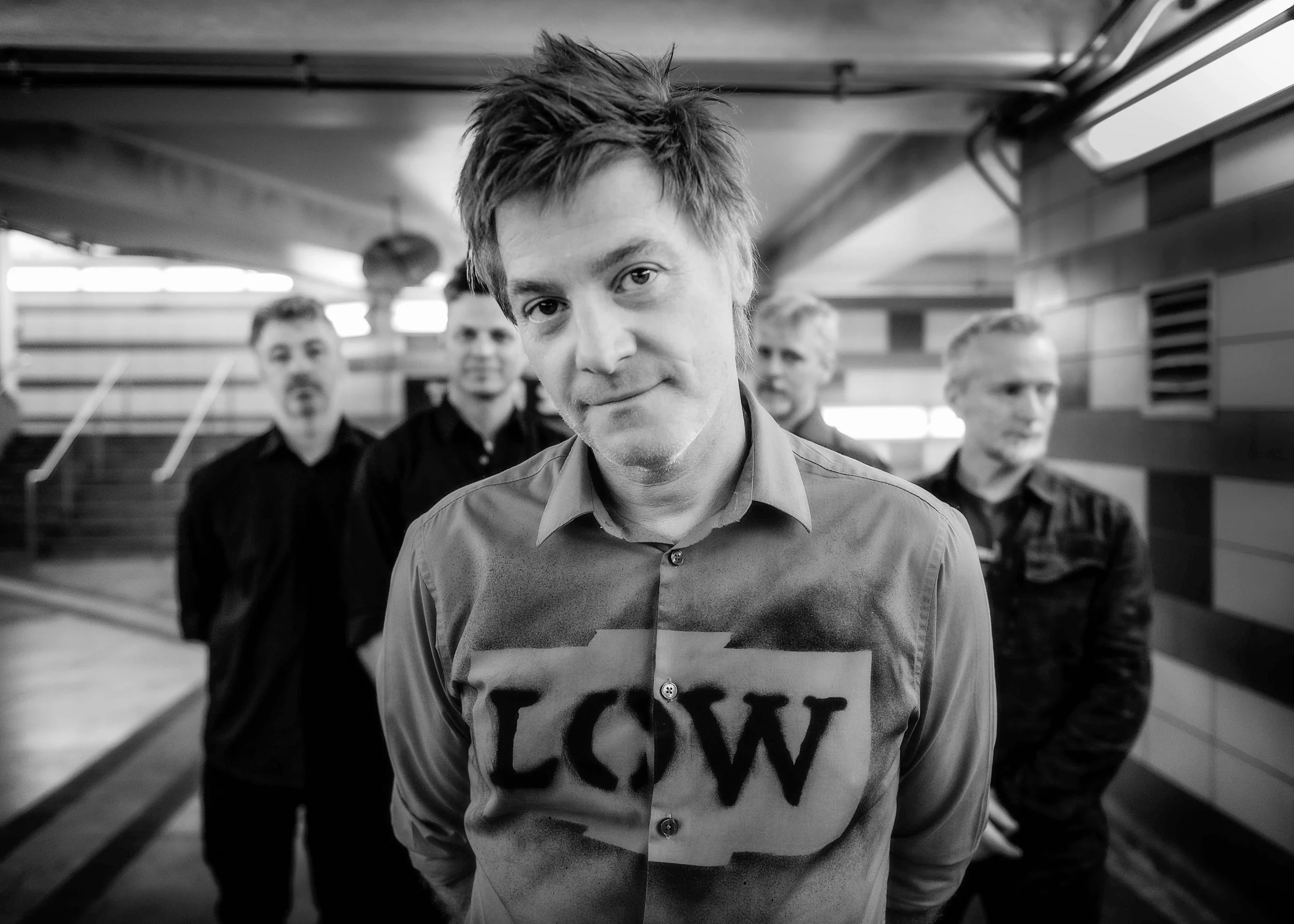
Lowest of the Low say the Kids are Alright but. . .

Will McGuirk November 20, 2015

Toronto's Lowest of the Low, the proletarian poets of Parkdale, the street writing men and working class heroes are back with new material (finally!). The band stormed into the Canadian public's view in the early 90s, making an impact as vital as The Smiths and The Clash did in Britain. They only released a couple of records but they strode confidently into the Canadian canon, Shakespeare My Butt in particular. And like their Brit counterparts stepped down while on top. They returned from "hiatus" sometime ago and have been playing shows. In the interim Ron Hawkins has been performing solo, with the Do Good Assassins and with The Rusty Nails. But The Low have always been there, smoldering away. Co-founder Steve Stanley is not with them this time around but the spirit of the band and their optimism remains. And the songs are instant, immediate and classic Low.

Not everyone agrees about the children and how they are faring. Fall Out Boy take a different view. They've released a remix album Make America Psycho Again built from their American Beauty/ American Psycho album. Their big hit is on it and the remix features Azealia Banks

Maybe its just the times . . .  back in the day . . .  

Interview with Mumbai Standstill; they play Manantler Nov.21

Will McGuirk November 20, 2015

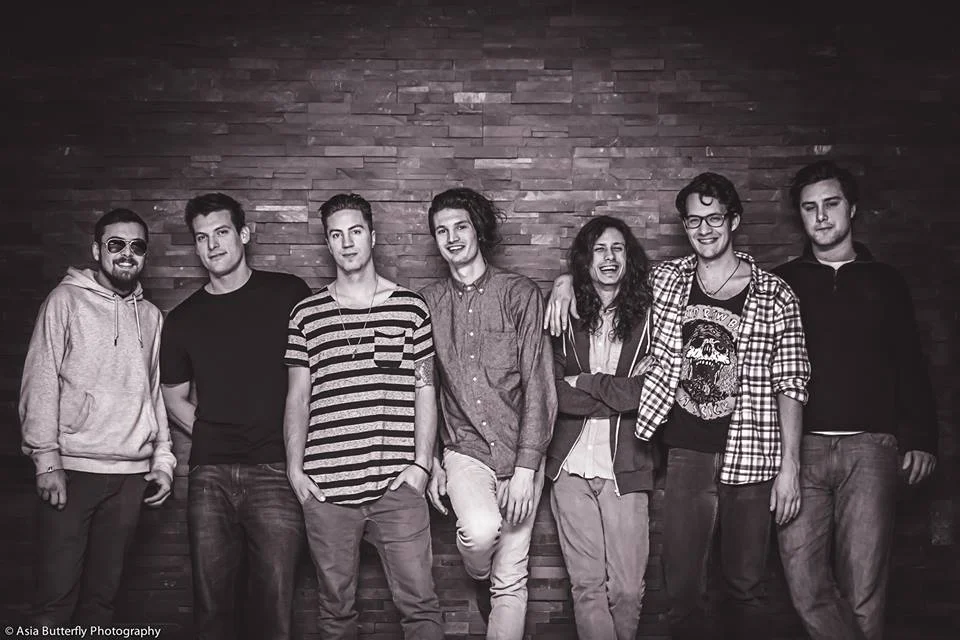
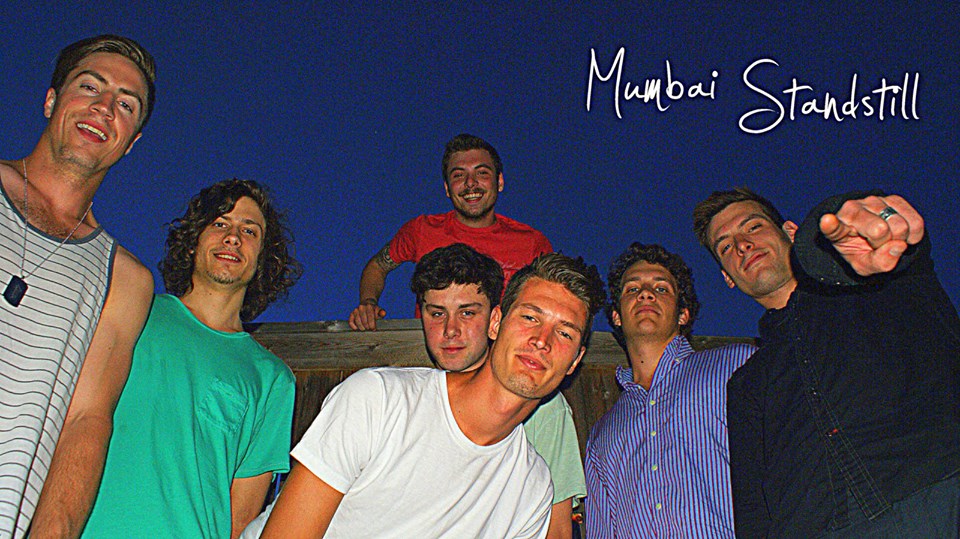
Nu-grass outfit Mumbai Standstill play Manantler Brewery in Bowmanville Nov. 21. The Uxbridge formed seven-piece blends R&B, soul and folk elements generating a sound that nods as much to Bedouin Soundclash as it does to The Band. The band itself is Jamie Gallard (Acoustic Guitar/Vocals), Mark Givelas (Lead Guitar/Vocals), Ben Race (Vocals), Brandon Cox (Drums), CJ Blodgett (Banjo), Brett Simmonds (Bass) and Stu Retallack (Trumpet/Keys). Their debut album Troubles is now available. Givelas took the time to chat with SlowCity.

SlowCity: OK so you have a few members. How did you build the band and why so many members?

“The first Mumbai Standstill songs were written when the band consisted of only three members (Mark Givelas, Jamie Gallard, Ben Race) and acoustic guitars.  Realizing the potential for a much bigger sound,  we sought out additional players immediately after the band's inception.  By chance, Jamie had been studying recording engineering downtown and mentioned that his classmate played banjo, thus the introduction of CJ Blodgett to the band.  This was around the same time that a long-time friend of the founding members, Brett Simmonds joined Mumbai to play bass. Shortly after the emergence of a solid 5-piece, Stu Retallack was asked to jam on trumpets (and later keys)- bringing to the table some major elements of Mumbai's characteristic sound.  All the band needed now was a drummer, and fortunately CJ's good friend Brandon Cox was available to take the reigns.  In only two months the band had evolved from a few guys playing acoustic guitars, to a comprehensive 7-piece act.”

SlowCity: Your name leads me to believe you have a World Music sound but it’s really R&B and folk based so why did you settle on that name?

“The name Mumbai Standstill came from a news broadcast, where the reporter was describing how an event in city had '...brought Mumbai to a Standstill'.  This idea of how something as immense and busy as the city of Mumbai could literally standstill was intriguing to us... plus we thought it sounded cool.”

SlowCity: Why did you choose the sound you have? What is it about these older, more traditional sounds that speak to you more than say electronica or rock or punk?

“Mumbai's sound definitely evolved as the band evolved, so it’s almost as if the sound chose us. We knew we wanted to be a folk-rock band, but realize that some of our songs deviate towards pop rock, bluegrass, alternative rock etc.  Essentially, we just strive to write songs that we like to play and that others like to listen to.  What we do like about the more traditional sound is the emphasis on lyrics and melody.  These are songs that often tell and story and we always love when people are inclined to sing along.”

SlowCity: What is the dynamic for creating songs with so many players, do you have a central songwriter?

“Typically, songs are written prior to band practice and are worked out with the entire band.  With such a diverse set of skills and musical backgrounds, you can really get the most out of any song by making its production a collaborative effort.  Mark Givelas and Jamie Gallard are the band's primary songwriters, but everyone is encouraged to write songs to bring to the table.”     

SlowCity: Tell me about the process for making your most recent album?

“Mumbai Standstill's first record Troubles was recorded at Ineo Studios in Uxbridge and it took  just over a year to complete.  We'd record on most Saturday nights, and would use the week in between recording sessions to develop production notes for the next Saturday session.  We had a lot of fun in the process (perhaps a little too much fun) and we're definitely looking forward to the release of our second album, which we started working on this fall.”

Mumbai Standstill play at Manantler Nov. 21 2105. Its an early show, 7 p.m. to 11 p.m.

← NewerOlder →
Screenshot 2023-06-10 at 10.18.16 PM.jpg
TownBrewery.jpeg
SecondWedge.png
Atria_logo.png
apologue_logo2.png
kv_eyes.jpg
Avanti_logo.png
RMG SQ.jpg
11666057_10154039986198378_4496427229864055720_n.jpg
COnvergenceSQ.png